Write the unit beside every quantity
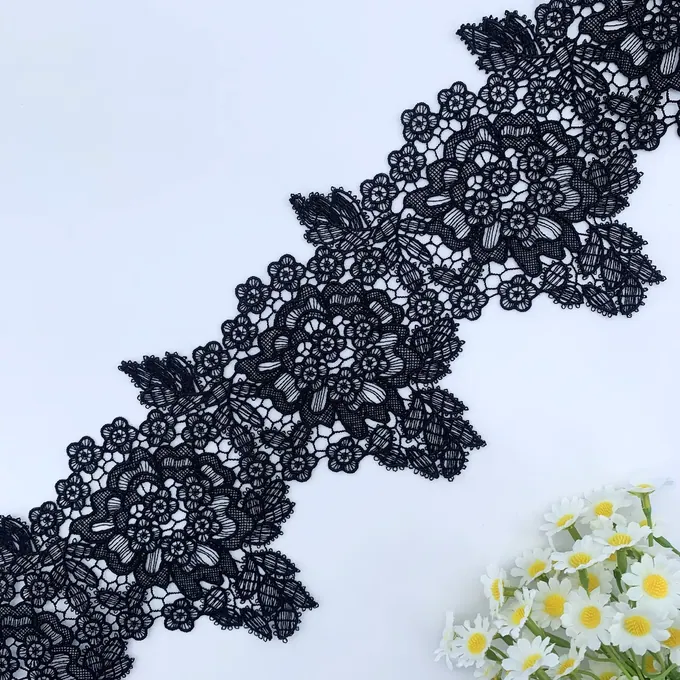
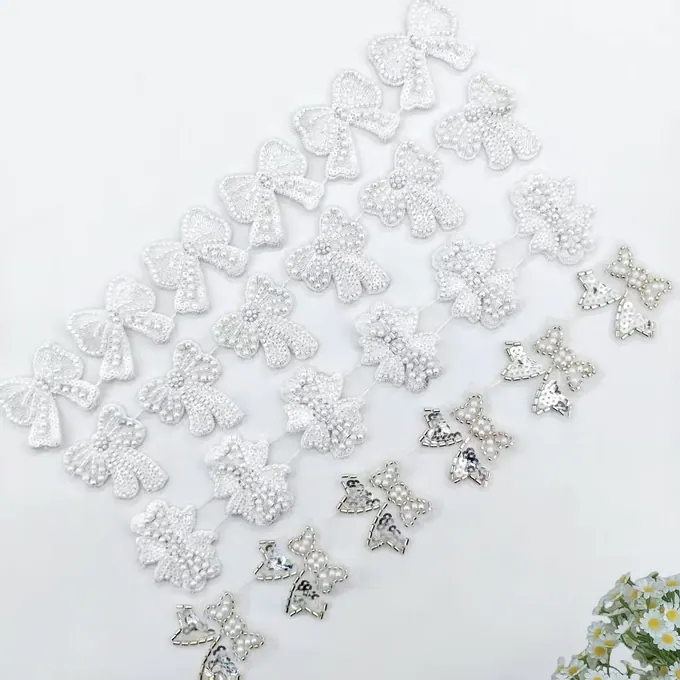
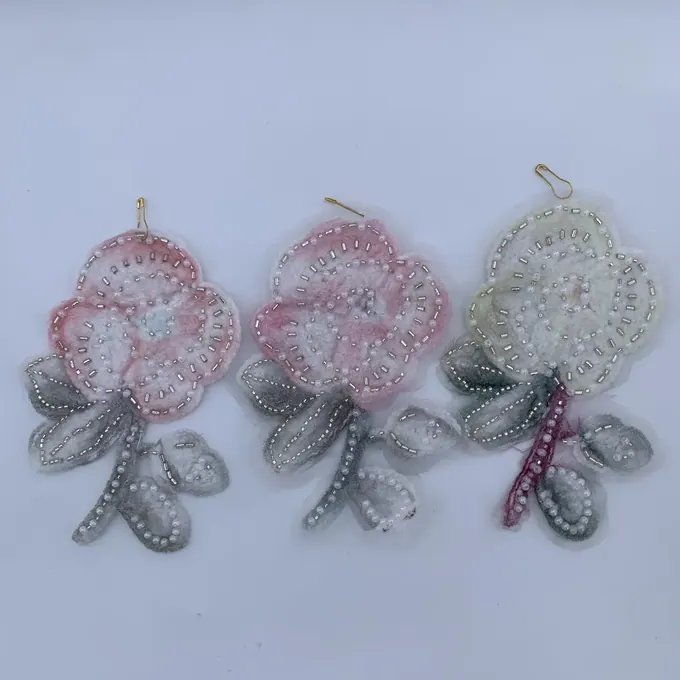
A request for fifty units of lace leaves an important question unanswered: fifty metres, fifty yards or fifty rolls? Product titles and packaging conventions differ, so the quotation must show the unit explicitly. Use one line per reference and colour. For a continuous border, state the length unit. For an appliqué or neckline, state pieces, pairs or sets and confirm the number of individual pieces included in each selling unit.
A roll is a package, not a universal length. Ask the supplier to confirm the nominal length per roll and how total delivered length is recorded. Also clarify whether a roll contains one continuous section or may have joins. If your cutting plan requires uninterrupted sections, specify the minimum usable section length and ask whether it can be supplied. Do not assume that every product in a catalogue uses the same roll format.
Convert length before comparing quotations
One international yard is exactly 0.9144 metres. To convert yards to metres, multiply by 0.9144; to convert metres to yards, divide by 0.9144. For example, 100 yards equals 91.44 metres, while 100 metres is approximately 109.36 yards. These are measurement examples, not package sizes offered by Middle East Trims. Keep the original quoted unit in your worksheet alongside the converted total to make the calculation easy to review.
For a price comparison, convert both offers to the same length unit and currency before evaluating them. A rate per yard cannot be compared directly with a rate per metre. If a quote is per roll, divide by the confirmed length contained in the roll. Then review packing, freight, duties and other agreed charges separately. A lower apparent unit price is not a complete purchasing comparison when product width, construction or included length differs.
Calculate consumption from an approved cutting plan
Start with the number of garments and the usable trim length required by the approved pattern. Include both sleeves, both sides of a front opening and any additional panels as separate components. A motif repeat can change the amount needed to place matching flowers at visible points. Have the sewing team test a layout with the actual sample instead of multiplying a rough garment measurement and treating the result as final.
Add allowances only after understanding the layout. Sampling, end finishing, pattern alignment, accepted joins and possible replacement pieces may require extra material, but there is no single percentage that suits every design. Discuss the plan with the supplier and your production team. For appliqués sold in pairs, count pairs rather than converting the pieces to a length. Keep spare units separate from the main production count in the enquiry.
Confirm quantities in the final order summary
Before accepting a quotation, check the reference, colour, unit, number of packages and total length together. A clear summary might show a requested length in metres plus the supplier-confirmed number of rolls required to supply it. Ask how any difference caused by full-roll ordering will be handled. Confirm minimum quantities per colour and whether mixed colours count toward any order condition. These are supplier-specific terms that must be checked for the chosen products.
Select references from the lace trims, beaded trims and embroidered trims collections at Middle East Trims. Send your quantity worksheet through the contact page or include it in your WhatsApp enquiry. State the original unit, converted requirement and minimum continuous length where relevant. This makes it easier to discuss a quotation without losing the detail needed by the buyer, accounts team and cutting workshop.
- Unit per product: metres, yards, rolls, pieces, pairs or sets.
- Confirmed length per roll and number of rolls.
- Total requirement per colour, with conversions shown.
- Pattern repeat, cutting allowance and minimum continuous length.
- Supplier-confirmed quantities, package rounding and order conditions.
Turn your research into a clear enquiry.
Select your designs and share the colour, quantity, unit and destination. Request confirmed specifications before ordering.
Prepare an enquiryRequest samples