Start with the garment, then choose the trim
A black trim can look quiet on one abaya and become the strongest detail on another. The difference often comes from the base fabric, the location of the decoration and the way the garment moves. Before comparing photographs, write a short brief: everyday or occasion wear, sleeve or front opening, straight or curved placement, and the approximate finished width. This gives your buyer and sewing team the same starting point.
For cuffs, consider how the edge feels against the wrist and whether it catches on jewellery. For a long front border, check the direction of the pattern and the position of joins. A hem decoration needs enough flexibility to follow the garment without pulling it out of shape. These are fitting questions to test with a sample, rather than qualities that can be confirmed from a catalogue image alone.
Compare black against black in consistent light
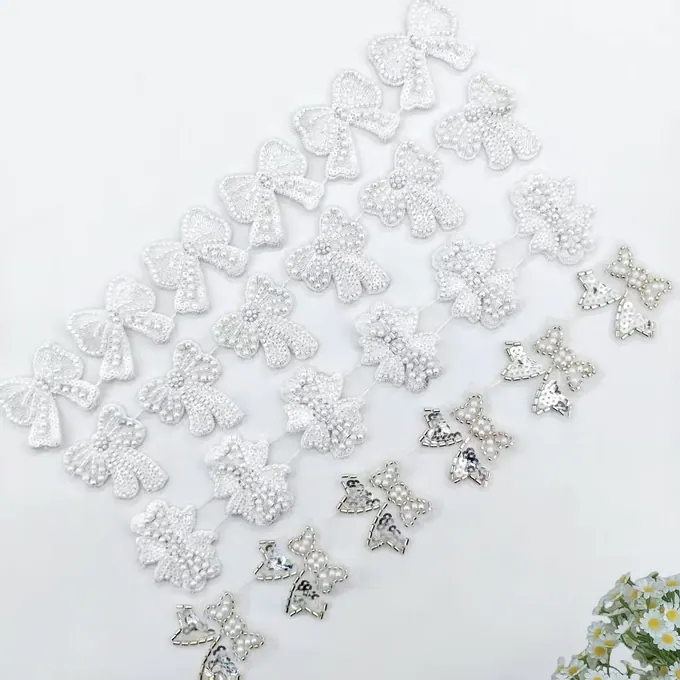
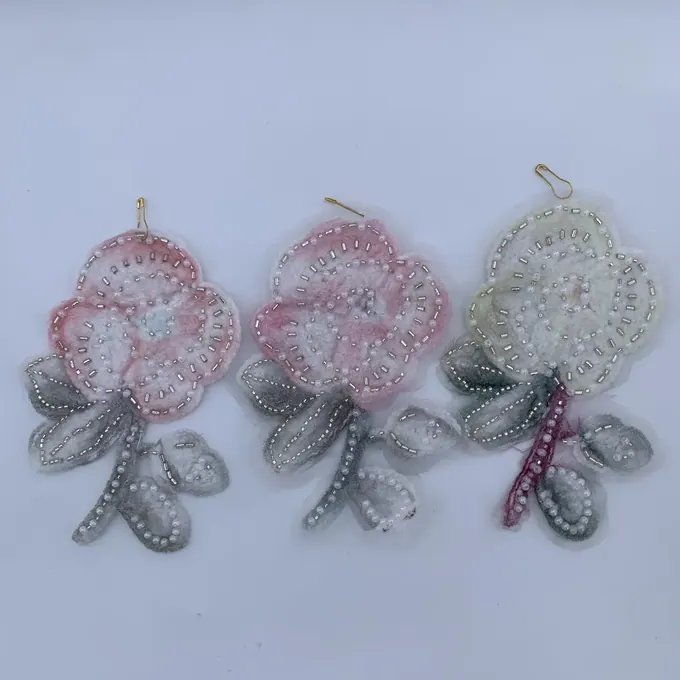
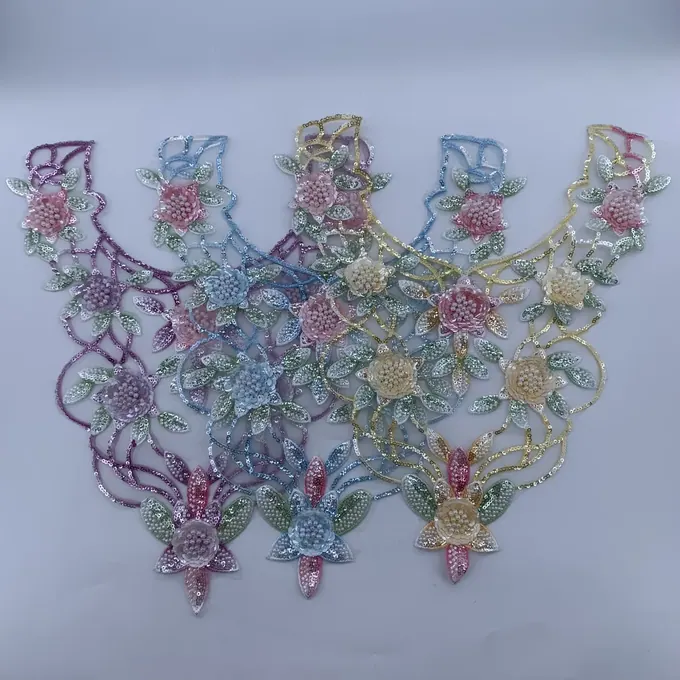
Black thread, black mesh, glossy beads and matte fabric do not reflect light in the same way. Photograph each candidate beside the actual garment cloth under the same lighting. Include an overall view and a close view. A pale background reveals the outline, while a matching fabric backing shows how visible the mesh and embroidered spaces will be in use. Keep both views when building your internal selection sheet.
Avoid choosing solely from a brightened image. Exposure adjustments can make the backing seem lighter or hide the difference between the thread and cloth. Request the available colour reference and ask whether the sample and intended order can be matched by the supplier. A colour name such as black is useful for browsing, but it is not a complete approval standard for a production purchase.
Measure the detail that remains after sewing
Ask for both the overall width and the embroidered width. A visible mesh margin may be included in the first measurement and hidden in the seam later. On a scalloped edge, identify the narrowest and widest points. Also check the pattern repeat: a large flower placed at each cuff may consume more length than a simple calculation based on sleeve circumference suggests. Plan cutting from the actual repeat.
Compare a short sewn trial before approving the full assortment. The sewing team should decide how the backing is handled, where stitching can pass without damaging decoration and how the edge finishes at a corner. Confirm material composition, stretch, care instructions and any relevant performance evidence with the supplier. The catalogue appearance should guide the shortlist; the sewn trial should guide the final technical choice.
Prepare a useful wholesale enquiry
Keep the first enquiry focused on a few comparable styles. List each product reference separately instead of sending a collage with no labels. State your required unit and quantity per colour, destination and whether you need a sample first. Ask the supplier to confirm minimum order conditions, availability, packing and expected dispatch timing for those exact references. Do not assume that similar-looking trims share the same terms.
Browse the black options in our lace trims and beaded trims collections, then add the references to your enquiry list. Send Middle East Trims your intended placement and a photograph of the base cloth through the contact page. We can discuss the product information needed for your selection. Where a specification is not listed, request confirmation before treating the item as approved for your collection.
- Product references and preferred finish: matte, glossy or mixed.
- Garment placement, overall width and visible embroidered width.
- Pattern repeat, cutting direction and sample requirements.
- Quantity and unit per colour, delivery destination and required date.
- Supplier confirmation of composition, care, packing and order conditions.
Turn your research into a clear enquiry.
Select your designs and share the colour, quantity, unit and destination. Request confirmed specifications before ordering.
Prepare an enquiryRequest samples