Use your customer brief instead of a regional colour rule
A useful wholesale assortment starts with the customers you serve. An abaya workshop, a bridal atelier and a general tailoring shop may need different widths, finishes and selling units. Avoid treating every buyer in the Middle East as one style preference. Review actual enquiries, garment photographs and repeat requests. Identify which applications matter most to your business, then build the first shortlist around those uses rather than around every attractive image in a catalogue.
For a new range without sales history, describe the customer and garment as clearly as possible. Separate an everyday black border requirement from an occasionwear metallic detail or a large bridal appliqué. These are starting hypotheses to test with samples and enquiries, not statements about what a whole country prefers. Keep space in the range for different client needs without making the first purchase too scattered to evaluate.
Build a comparison matrix with distinct roles
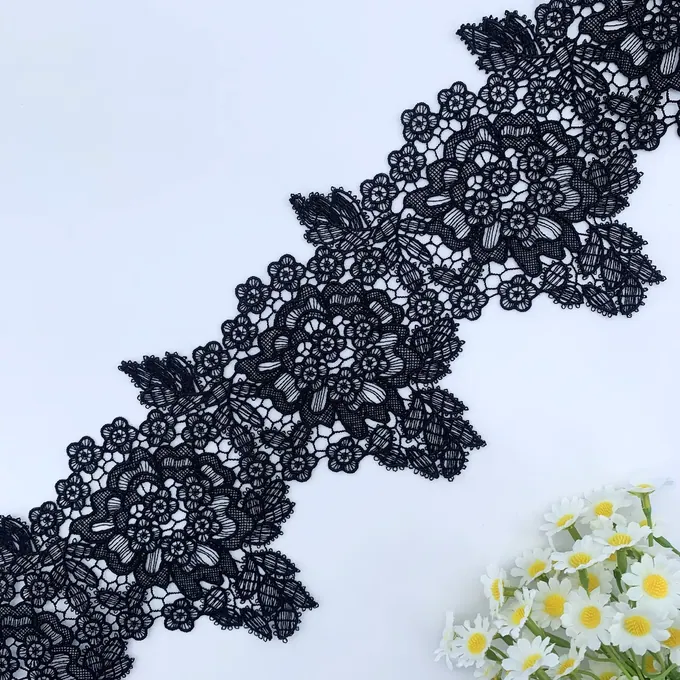
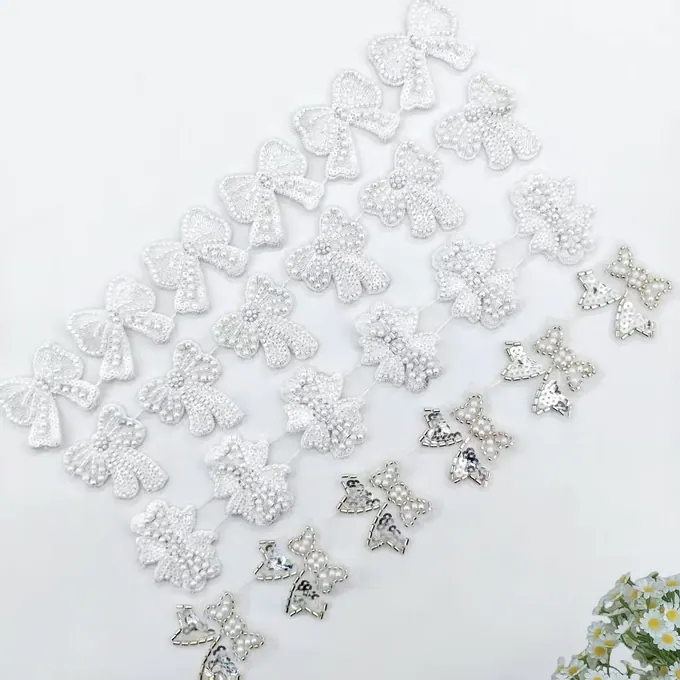
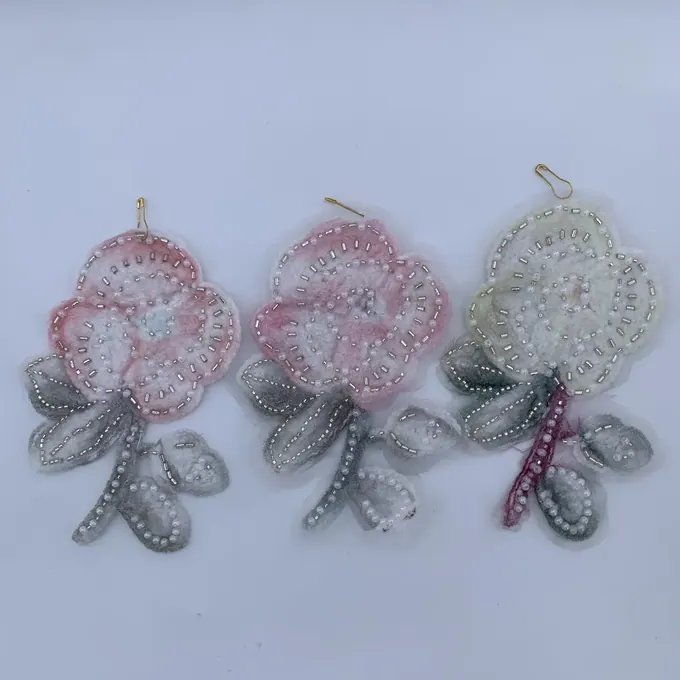
Give each candidate a row with category, reference, colour, usable width, decoration type and intended garment placement. Add whether it is a continuous trim, single motif, paired appliqué or shaped neckline. This separates genuinely different options from near duplicates. A narrow matte border and a wide glossy border may serve different customers, while several almost identical widths may compete for the same role in a small initial assortment.
Compare products within a use group before comparing the whole range. For example, review sleeve borders by visible width and bend around the cuff; review paired motifs by size and orientation. Mark the information that is confirmed, pending or not applicable. If composition, care or unit details are missing, keep that item in the information-request stage. A polished photograph should not move a product directly into the approved buying column.
Plan samples and purchasing quantities separately
The number of styles worth sampling may be larger than the number worth ordering in bulk. Use samples to answer the most important uncertainties first: colour on the actual cloth, sewing access, backing visibility and pattern placement. Keep the review consistent so that one product is not rejected for a question that another was never asked to answer. Record comments from the people who will sell, cut and sew the products.
Once the shortlist is approved, request quantity options per colour and reference. Ask the supplier to confirm minimums, packing units and replenishment conditions for each item. Do not label a style as a core repeat product until its reorder requirements have been discussed. Keep the initial order decision separate from any forecast. A forecast describes possible demand, while an order commits to the terms both parties actually confirm.
Use enquiry records to refine the next assortment
After showing the range to your customers, track requests by reference and application. Record whether a buyer asked for another colour, a narrower width, a matching pair or a different selling unit. Keep enquiries separate from confirmed purchases so you can see interest without overstating demand. This creates a more useful next buying brief than collecting popular-looking images with no record of how customers intended to use them.
Browse the five product families at Middle East Trims and start with a clearly labelled shortlist. Send the references through the contact or sample request page, together with your customer type, intended applications, colour priorities and quantity plan. Ask about any missing specifications and supply conditions before final selection. We use the product references to keep the discussion specific, so your enquiry remains understandable even when several styles have similar floral patterns.
- Customer type and specific garment applications.
- Category, reference, colour, usable width and selling unit.
- Role in the assortment and reasons for each selected style.
- Sample review with open specification questions clearly marked.
- Quantity plan, supplier-confirmed reorder conditions and enquiry feedback.
Turn your research into a clear enquiry.
Select your designs and share the colour, quantity, unit and destination. Request confirmed specifications before ordering.
Prepare an enquiryRequest samples