Identify the components before deciding how to handle them
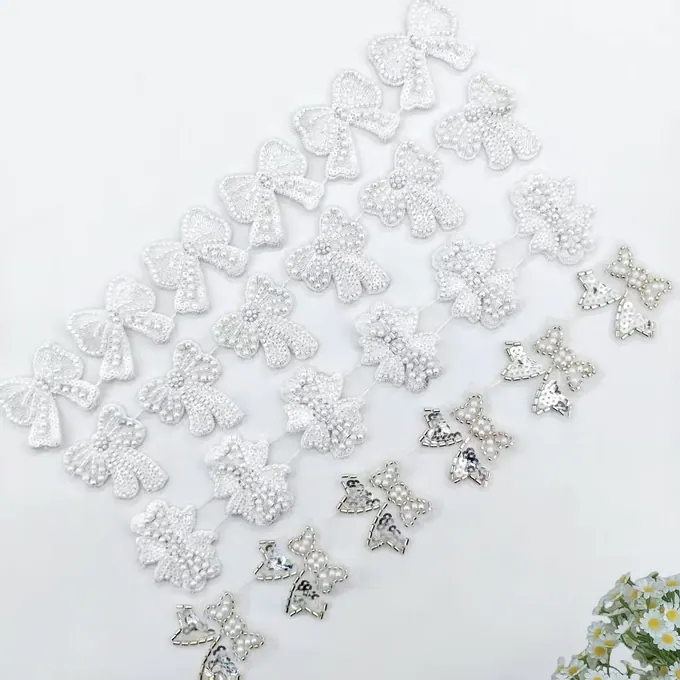
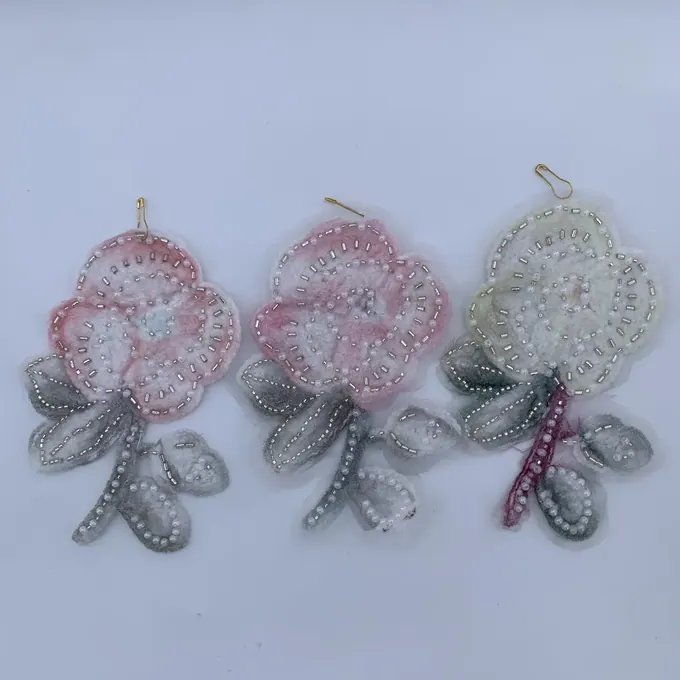
Long tubular decorations are often described as bugle beads, while flat reflective discs are described as sequins. Shape does not prove material: a photograph cannot reliably establish glass, plastic, metal, coating or thread composition. Ask the supplier to identify the components for the selected reference. A single trim may combine several materials, and the most delicate part can determine what handling or care method is suitable for the assembled garment.
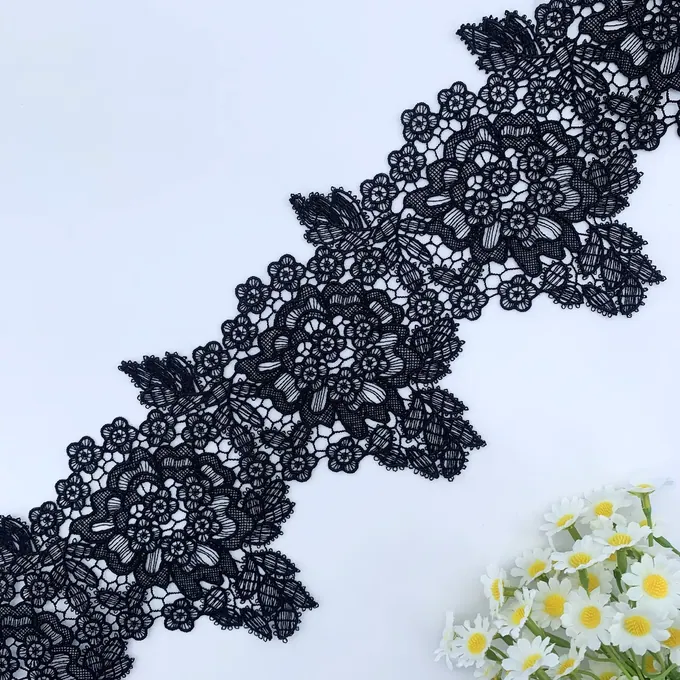
Also inspect how decoration is attached to the backing. A dense raised motif, a flexible sequin border and a flat embroidered strip may need different support and packing. Request face, reverse and side photographs where useful, then evaluate a physical sample. Do not assign washing, ironing or dry-cleaning instructions from appearance alone. Supplier guidance should relate to the actual product, and any trial should use an agreed method on spare material.
Discuss packaging as part of the product enquiry
Ask how each trim or appliqué will be packed and labelled. For paired pieces, confirm whether left and right sides stay together. For a raised motif, discuss how layers are separated and supported so the decoration is not pressed into neighbouring pieces. For continuous borders, ask about the winding format and how decorated sections are protected. The correct method depends on the construction, so request a packing photograph or sample arrangement if necessary.
Include reference, colour and quantity on your receiving list and ask how those identifiers appear on the packages. If several similar black or white styles are travelling together, clear labels help prevent mixing during unpacking. Discuss any destination-specific packing or documentation requirements with the supplier. Packaging design does not establish freight cost, insurance or responsibility for damage; those commercial terms should be confirmed separately in the quotation and order agreement.
Record the condition before cutting or distributing
On receipt, compare package labels with the order summary before separating products for different workshops or customers. Photograph the outer package, internal arrangement and any visible issue while the references are still clear. Check the agreed quantity and sample reference using the method confirmed with the supplier. Keep questionable pieces separate from approved material and report the reference and observed problem without guessing the cause or attempting repairs first.
For storage and movement, support decorated material rather than lifting a heavy section by a small corner. Plan how staff will unroll or separate pieces without snagging the embroidery. General textile conservation guidance highlights the value of support and reduced folding, but it is not a cleaning specification for new commercial trims. Use it as a handling principle, then confirm practical storage and care requirements with the supplier for your product.
Confirm care before the garment is finished
Ask about care while selecting the trim, not after the garment has been assembled. The base fabric, embroidery, backing and decoration must be considered together. If your garment needs a particular cleaning process, explain that requirement and request relevant product information. Avoid promising customers that a decoration is washable, heat-resistant or colourfast unless the claim has been established for the intended construction and use. Record any open question before approving production.
Explore beaded trims and appliqués at Middle East Trims, then send your chosen references through the contact page. Include intended garment use, planned care process, required quantity and destination, together with questions about packing and component materials. Ask the supplier to confirm what guidance and evidence are available. Keep those answers with your approved sample so the purchasing, warehouse and garment-making teams can work from the same information.
- Reference-specific component and backing information.
- Face, reverse, side view and a physical sample where needed.
- Agreed packing, separation, pair matching and clear labels.
- Receiving checklist, photographs and a procedure for reporting issues.
- Supplier-confirmed handling and care guidance for the intended garment.
Turn your research into a clear enquiry.
Select your designs and share the colour, quantity, unit and destination. Request confirmed specifications before ordering.
Prepare an enquiryRequest samples